Options for individuals who are not eligible for NIPS testing
- NIPS is not recommended for if the mother is carrying three or more fetuses or if mothers suffer from chromosome abnormalities of their own.
- NIPS can be used to test twins; however, the accuracy is lower (90%).
- Regulations from the Department of Health and Welfare dictate that NIPS cannot be used to reveal the gender of the fetus.
- NIPS mostly targets microdeletion syndromes and mutations involving an abnormal number of chromosomes. However, some such mutations are not detectable. Furthermore, certain microdeletion syndromes, such as those involving gene dosage, chromosome recombination, inversion, balanced transposition, a single syngenetic chromosome, or mosaics are not included in our test.
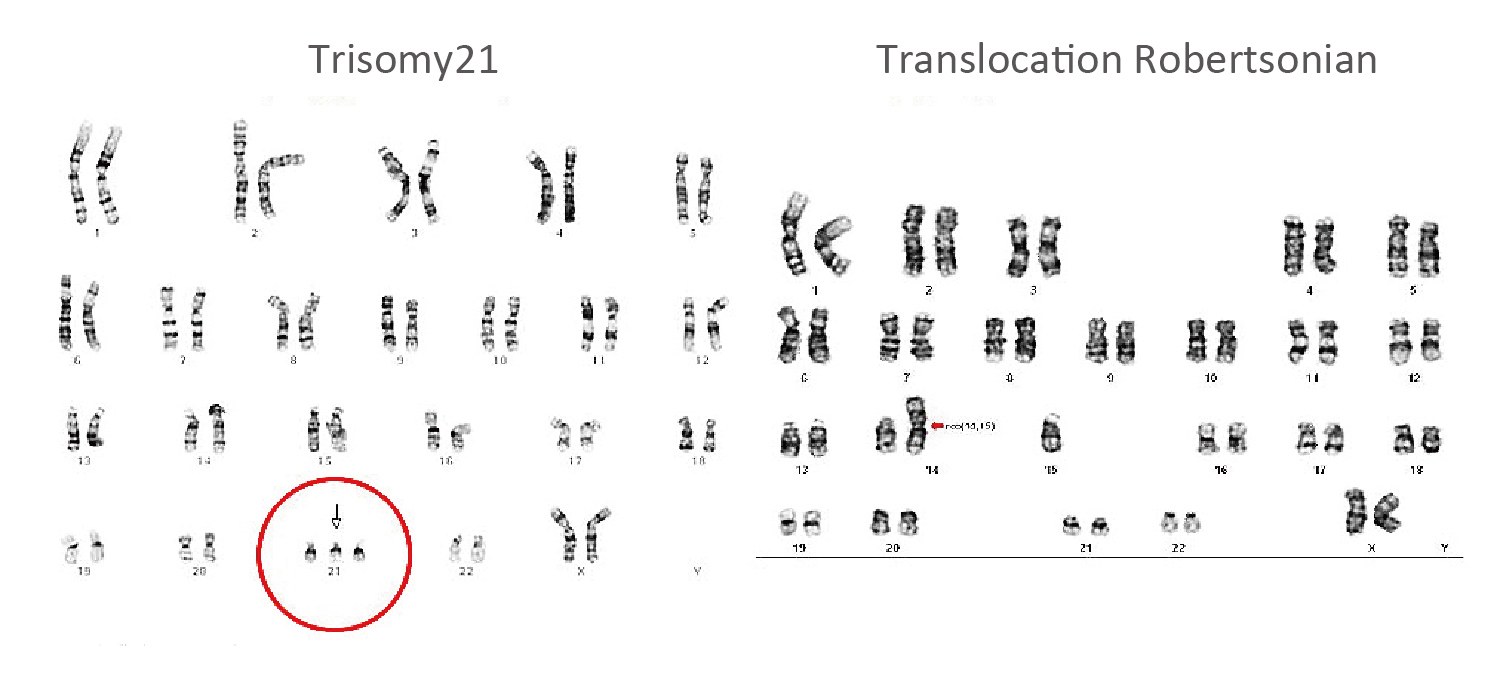
- In cases of unbalanced translocation (i.e. a mutation involving both deletion/duplication and translocation), NIPS can only identify deletion/duplication. Translocation cannot be detected; transposition is not detectable. For example, NIPS can determine whether the fetus has Down syndrome, but it cannot identify the underlying cause of trisomy, Robertsonian translocations, or high level mosaics.
- If the concentration of fetal DNA is too low, NIPS results may not be reliable.
- If NIPS detects abnormalities, further testing with more invasive procedures may be required.
- NIPS cannot detect single gene or single base- pair mutations or open neural tube defects.
- A low concentration of cell-free DNA in the mother's blood can lead to inaccurate test results. In these cases, a second blood sample may be required.