The easiest way to clear the answers
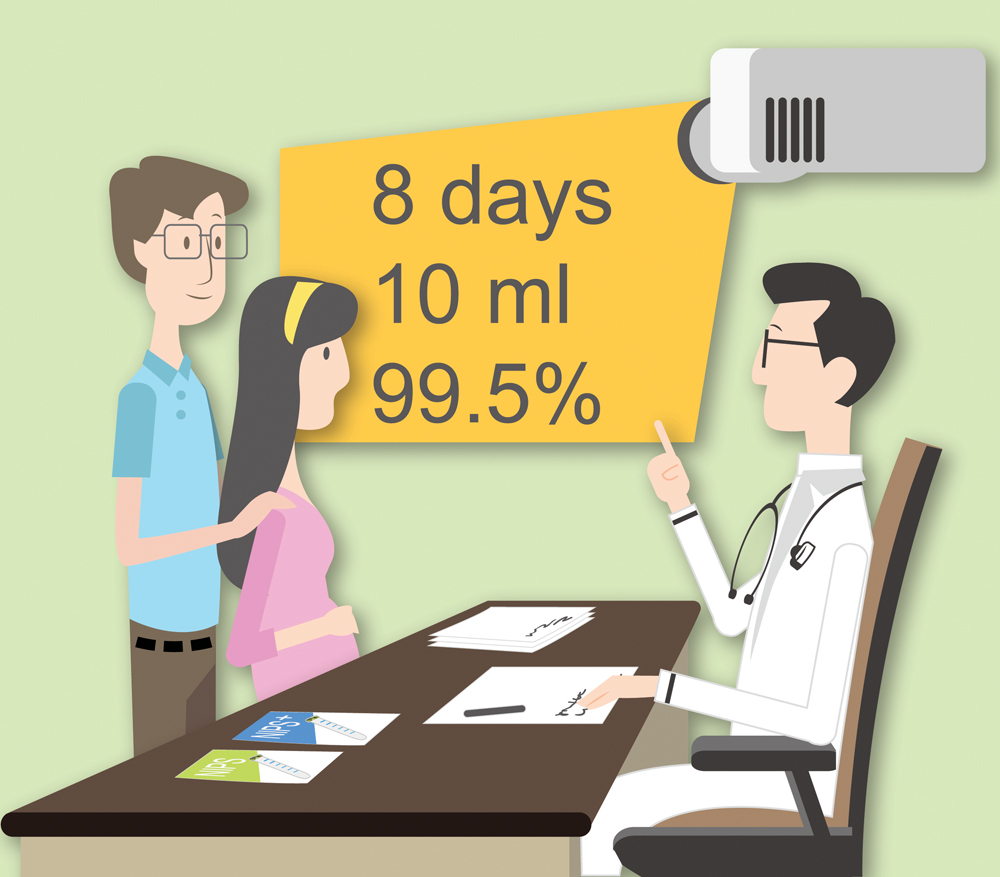
After conception, the fertilized egg splits into thousands of cells, some of which become the placenta, which nourishes the fetus. The remaining cells become the future baby. The unborn baby is connected to the mother through the umbilical cord and receives nutrients and oxygen from the placenta. During pregnancy, DNA fragments from placental tissue enter the mother's blood, and as time passes, the concentration of fetal DNA in maternal blood increases. At 10 weeks, the concentration of fetal DNA is high enough to perform NIPS. Furthermore, the concentration of fetal DNA in maternal blood falls below detection levels within 1 hour of labor. Therefore, previous pregnancies don't affect the test results of future pregnancies. For fraternal twins, the concentration of DNA per fetus is lower than that of a single birth pregnancy; therefore, the success rate of NIPS will be slightly reduced. (This is not a concern for identical twins, as both babies have the same genetic profile.) However, the success rate of NIPS is as high as 99.5%, even for fraternal twins.
The concentration of fetal DNA can be affected by abnormalities in the mother's own genetic profile or by a history of cancer or organ transplantation. NIPS uses the maternal DNA as a standard in calculating the baby's genetic profile. Therefore, in cases where maternal DNA is abnormal, NIPS results are likely to be less accurate.
The blood of overweight mothers contains a lower concentration of fetal DNA, which can cause test results to be erroneous or inconclusive. Additionally, in extremely rare cases, some fetal cells have normal chromosomes and other fetal cells have abnormal chromosomes,(i.e. mosaicism), which can lead to inaccurate NIPS results. While this is among the least common conditions to affect a pregnancy, parents should always consult with a physician before choosing NIPS.