Background Image

How NIPS Works

Non-Invasive Prenatal Screening Test

signature

About NGS & MPS

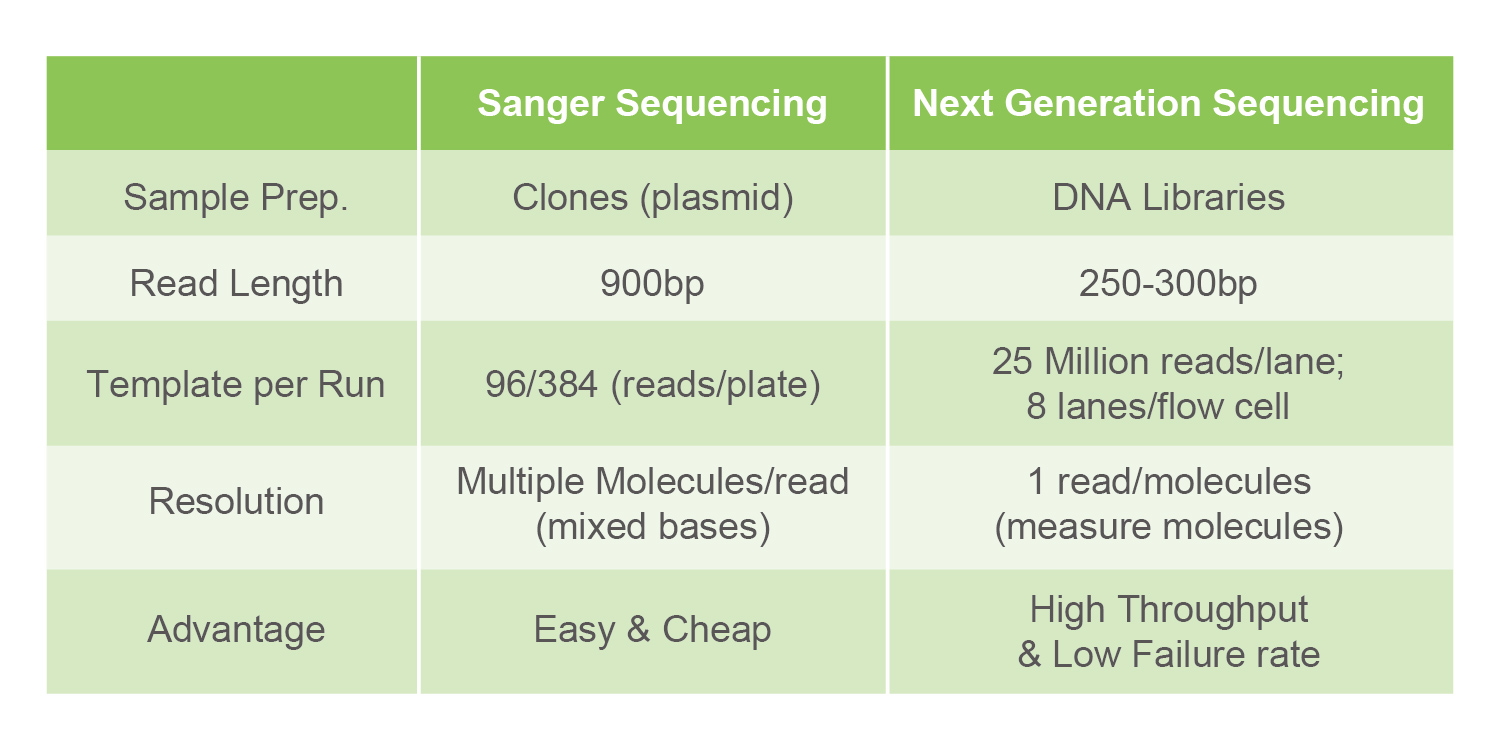
The National Institutes of Health (USA) launched the Human Genome Project in 1990 with the goal of sequencing the entire human genome within 15 years. The project cost up to three billion US dollars and was completed in 2003. Indeed, the Human Genome Project used the Sanger sequencing method, which is both time-consuming and expensive. Today, better options exist.

Next-Generation Sequencing (NGS), also known as Massive Parallel Sequencing (MPS), can sequence millions of DNA segments simultaneously. Prior to the development of this technique, only 500-1000 base pairs (bp) could be processed at one time. NGS has vastly reduced the cost and processing time required for gene sequencing. These advances have made it possible to test for Down syndrome in a hospital setting, not just in a research lab.


Post Image

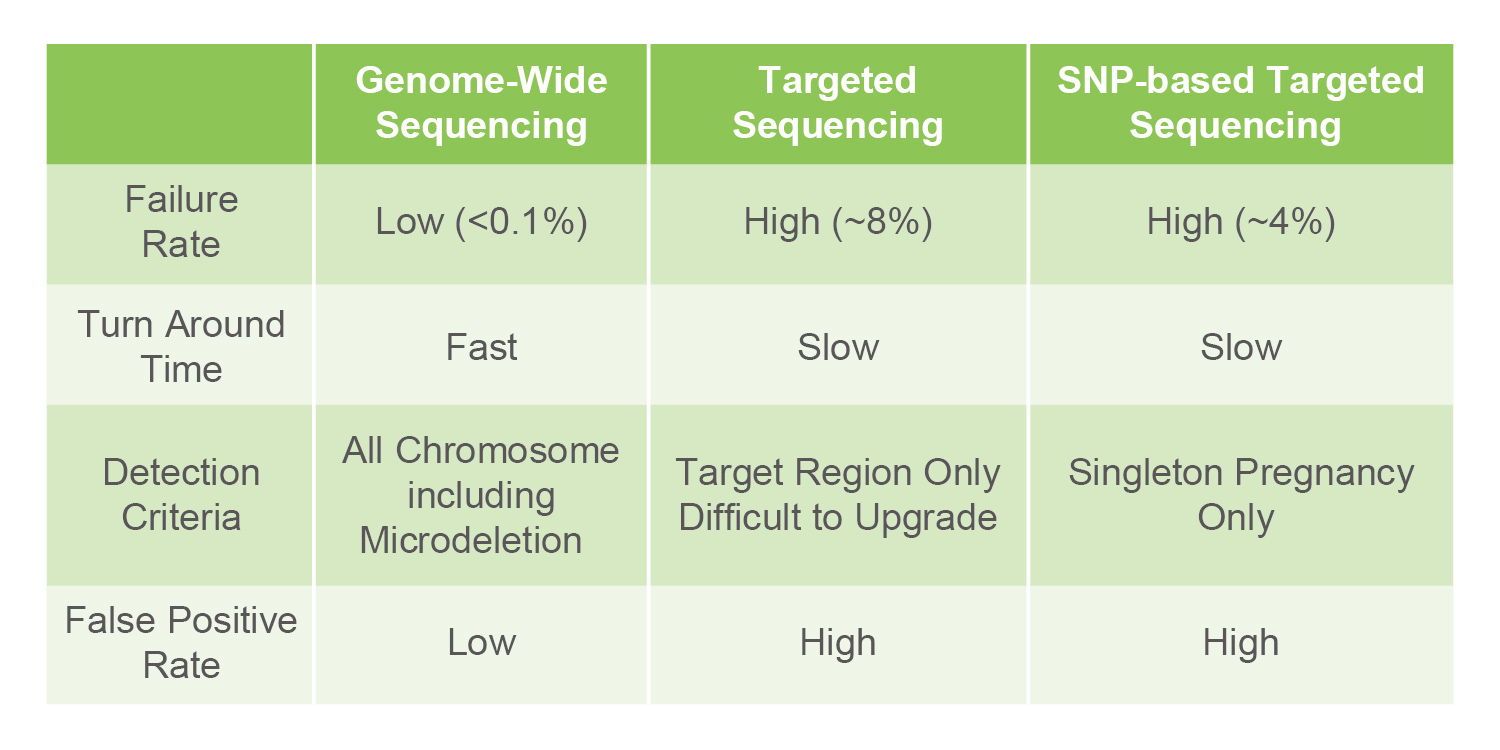
Several methods can be used to retrieve fetal DNA from the mother's blood: Genome-Wide Sequencing, Targeted Sequencing, and SNP based Targeted Sequencing.

Genome-Wide Sequencing is performed on the complete set of genes. Conversely, targeted Sequencing only targets those sequences which have a higher chance of being associated with abnormalities such as Down syndrome, Edwards syndrome, Patau syndrome, or Turner syndrome. SNP based Targeted Sequencing is able to ensure that the mother's genetic material does not confound test results. However, Genome-Wide Sequencing is currently more popular than other sequencing methods thanks to advances in technology, the ability to provide comprehensive results, as well as a fast speed and high success rate.
Post Image